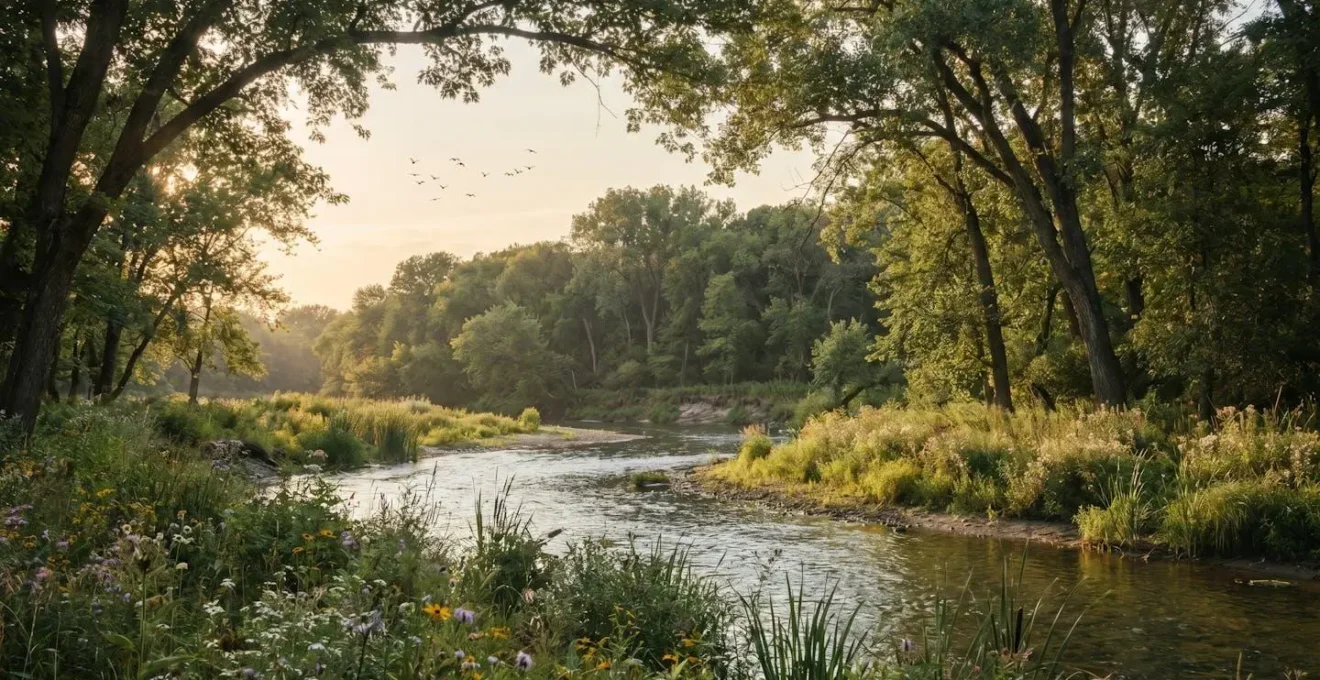
Your Net Zero strategy is incomplete if it ignores biodiversity.
- Moving beyond simple carbon-tunnel vision, ecosystem resilience depends on functional diversity—the variety of roles species play, not just their numbers.
- Modern tools like bioacoustic monitoring now allow us to measure and manage this ecological health with the same data-driven rigor applied to carbon emissions.
Recommendation: Shift from symbolic gestures to a holistic stewardship model based on measuring the functional health of the ecosystems you impact.
As a sustainability officer, your world is dominated by metrics: tonnes of CO2 equivalent, Scope 3 emissions, and the relentless pursuit of Net Zero. You’ve mastered the language of carbon. But while the corporate world has been focused on the atmospheric crisis, an equally profound and interconnected crisis has been accelerating on the ground: the collapse of biodiversity. Many current strategies—planting monoculture forests or offsetting emissions—can fall into a “carbon-tunnel vision,” addressing one symptom while ignoring the systemic health of the planet.
The common perception of biodiversity is often limited to charismatic megafauna or simple species counts. This misses the point entirely. The true measure of a healthy ecosystem is its functional diversity—the variety of different roles that organisms play. It’s not just about having birds, but about having birds that pollinate, birds that control pests, and birds that disperse seeds. This functional complexity is the very engine of ecosystem resilience, the planet’s insurance policy against shocks and disturbances.
What if the key to genuine environmental stewardship isn’t just about reducing a negative (carbon), but about actively measuring and enhancing a positive (ecological function)? This article reframes biodiversity not as a separate, “softer” issue, but as a critical, measurable component of planetary health that is inextricably linked to climate stability. We will explore a practical framework for moving beyond carbon accounting to embrace a holistic, data-driven approach to ecological stewardship, starting with the most fundamental question of all: what is the true health of the land you manage?
This guide provides a structured approach for sustainability leaders to understand and integrate biodiversity into their core strategy. From high-level surveys to granular actions, each section builds a comprehensive case for why ecological function is the next frontier in corporate responsibility.
Summary: A Data-Driven Framework for Integrating Biodiversity into Corporate Strategy
- Habitat Surveys: How to Know What Species Live on Your Land?
- Wildlife Corridors: How to Link Fragmented Habitats for Hedgehogs and Deer?
- Invasive Species: How to Tackle Japanese Knotweed Without Nasty Chemicals?
- The Insect Apocalypse: Why Pollinator Counts Are the Canary in the Coal Mine?
- Peatland Restoration: Why Are Bogs the UK’s Best Carbon Store?
- Conservation Holidays: How to Fix Footpaths While You Visit the Peak District?
- Micro-Rewilding: Can You Rewild a Garden or Just a 5-Acre Field?
- How to Practice Holistic Ecological Stewardship on Small Holdings?
Habitat Surveys: How to Know What Species Live on Your Land?
The first step in any robust environmental strategy is establishing a baseline. For biodiversity, this means moving beyond simple checklists of species. The critical metric is functional diversity, which assesses the variety of ecological roles present in an ecosystem. An environment with high functional diversity—containing pollinators, decomposers, predators, and soil aerators—is inherently more stable. Research shows that higher functional diversity is associated with greater ecosystem plasticity, productivity, and resilience in the face of disturbances like drought or disease. This makes it a far more meaningful indicator of health than a simple species tally.
Traditionally, gathering this data was labour-intensive and invasive. Today, however, technology provides scalable solutions. Passive bioacoustic monitoring, for instance, uses digital recorders to capture the complete soundscape of an environment, from the dawn chorus of birds to the stridulation of insects. By analysing the complexity and richness of these sounds over time, we can develop a powerful, non-intrusive proxy for overall ecosystem health. This method provides repeatable, cost-effective, and large-scale data on the functional vibrancy of a habitat.
Case Study: Large-Scale Biodiversity Measurement with Bioacoustics
A pioneering four-year pilot study demonstrated the power of technology in ecological assessment. By deploying passive digital bioacoustic recorders across thousands of farms, researchers were able to measure biodiversity changes as agroforestry systems matured. The study found that the complexity of the “dawn chorus” served as a holistic indicator of ecosystem health. This approach successfully captured species presence, abundance, and functional roles without the need for invasive field surveys, proving its value for scalable and repeatable annual monitoring at a reasonable cost.
Action Plan: Initiating a Biodiversity Baseline Assessment
- Points of contact: Map all land holdings and identify distinct ecological zones (e.g., woodland, grassland, riparian buffers, developed areas).
- Collecte: Inventory all existing biological records, historical land use data, and previous environmental impact assessments.
- Cohérence: Confront current land management practices (e.g., mowing regimes, pesticide use) with stated corporate sustainability goals to identify misalignments.
- Mémorabilité/émotion: Deploy initial monitoring tools (e.g., bioacoustic sensors, pollinator-transect counts) to establish a baseline of functional diversity, not just species presence.
- Plan d’intégration: Develop a phased plan to enhance habitat connectivity and address functional gaps, prioritizing high-impact, low-cost interventions first.
Without a clear, data-driven baseline, any subsequent action is simply guesswork. A thorough survey is the bedrock of a credible nature-positive strategy.
Wildlife Corridors: How to Link Fragmented Habitats for Hedgehogs and Deer?
One of the greatest threats to biodiversity is habitat fragmentation. Roads, farms, and urban development chop landscapes into isolated islands, trapping wildlife populations and preventing them from accessing food, mates, and new territories. This isolation leads to a decline in genetic diversity, making populations more vulnerable to disease and local extinction. The solution is elegant and intuitive: reconnecting these fragments. Wildlife corridors—strips of natural habitat like hedgerows, riverbanks, or wooded paths—act as bridges, allowing animals to move safely across the landscape.
Creating and restoring these corridors is one of the most effective interventions for bolstering ecosystem resilience. They don’t just benefit large, charismatic animals like deer; they are vital for the movement of everything from hedgehogs and amphibians to insects and seeds. By facilitating movement, corridors enable species to adapt to a changing climate by migrating to more suitable areas. The ecological benefits are not just theoretical; studies show corridors cause a statistically significant increase in gene flow and genetic variation between previously isolated populations, directly combating the negative effects of inbreeding.
For a corporate landowner, identifying and protecting potential corridor routes is a high-impact action. This could involve letting a hedgerow grow taller and wider, restoring a stream-side buffer zone, or simply changing mowing schedules to allow wildflowers to flourish along a verge. These interventions link your property to the wider ecological network, transforming an isolated asset into an active participant in regional conservation.
The visual power of a corridor underscores a simple truth: nature does not recognize property lines. A connected landscape is a healthy landscape, and every landowner has a role to play in stitching the patchwork back together.
Ultimately, a wildlife corridor is more than just a physical path; it is a lifeline that ensures the long-term viability of entire ecosystems.
Invasive Species: How to Tackle Japanese Knotweed Without Nasty Chemicals?
While enhancing native biodiversity is crucial, an equally important task is defending it against threats. Invasive non-native species (INNS) are a primary driver of biodiversity loss globally, outcompeting native plants and animals for resources, introducing diseases, and fundamentally altering ecosystem functions. Japanese Knotweed (Reynoutria japonica) is a notorious example. Its dense, tall thickets create a light-blocking monoculture that suffocates native flora. A study on riparian woodlands confirmed F. japonica has reduced the diversity and abundance of native understory species, devastating the local habitat structure.
The conventional response to such invaders often involves broad-spectrum herbicides, which carry their own ecological risks, harming non-target species and potentially contaminating soil and water. As an ecologist, the goal is to find more integrated and less damaging solutions. For Japanese Knotweed, this involves a multi-pronged approach that focuses on stressing the plant and exhausting its energy reserves. This can include:
- Mechanical Control: Repeated cutting or digging can weaken the plant over time, though it requires persistence and proper disposal of plant material to prevent re-sprouting.
- Light Deprivation: Covering the affected area with heavy-duty, opaque membranes can block sunlight and eventually kill the rhizomes below, though this process can take several years.
- Targeted Biocontrol: In the UK, a psyllid insect (Aphalara itadori) that feeds specifically on Japanese Knotweed has been released in controlled trials. This represents a long-term, self-sustaining method of control that leverages nature’s own checks and balances.
Managing invasive species is not a one-off task but a continuous process of monitoring and strategic intervention. The key is to shift from a purely reactive, chemical-based warfare to a more holistic strategy of Integrated Pest Management (IPM). This involves understanding the invader’s life cycle, promoting healthy native ecosystems that are more resistant to invasion, and using the most targeted, least harmful control method available.
This approach protects not only the target area but the entire surrounding ecosystem from unintended collateral damage.
The Insect Apocalypse: Why Pollinator Counts Are the Canary in the Coal Mine?
If ecosystems had a single, critical-failure point, it might well be the insects. These small creatures form the foundation of countless food webs and are responsible for the pollination of the majority of flowering plants, including about a third of human food crops. The widely reported “insect apocalypse”—a drastic decline in insect populations worldwide—is therefore not a niche concern for entomologists; it is a flashing red warning light for global ecosystem stability. Because of their fast life cycles and sensitivity to environmental changes, insect populations, particularly pollinators like bees, hoverflies, and butterflies, serve as an outstanding bio-indicator—a true canary in the coal mine for environmental health.
A decline in pollinator counts on your land is a direct signal of systemic stress. It could indicate pesticide contamination, a lack of floral resources (a “food desert”), or the loss of nesting habitats. The consequences ripple outwards, leading to reduced seed and fruit production in wild plants, which in turn impacts the birds and mammals that feed on them. This cascading failure erodes the functional diversity of the entire ecosystem. The crisis is a direct result of human pressures on the landscape; according to UN climate change data, human activity has already altered over 70% of all ice-free land, and this habitat loss is a primary driver of extinctions.
For a sustainability officer, monitoring pollinator activity is a low-cost, high-value way to assess ecological health. Simple, standardized transect walks (the “Pollinator Monitoring Scheme” or PoMS method) can provide robust data on population trends. Taking action is also straightforward: reducing or eliminating pesticides, allowing sections of land to grow wild with native flowers, and providing nesting sites like bare earth banks or “bee hotels” can have an immediate positive impact. Protecting these tiny engineers is a direct investment in the long-term resilience of your entire natural capital portfolio.
Their presence or absence is a direct reflection of the land’s ability to support life at all levels.
Peatland Restoration: Why Are Bogs the UK’s Best Carbon Store?
In the conversation about nature-based climate solutions, forests often take centre stage. Yet, an overlooked and critically important ecosystem holds an outsized role in carbon sequestration, especially in the UK: peatlands. These waterlogged landscapes, including bogs, fens, and moors, are the nation’s largest terrestrial carbon store. Though they cover only around 12% of the UK’s land area, they hold more carbon than all its forests combined. They are the unsung heroes of the carbon cycle. A healthy peatland is a boggy, living system where plants like Sphagnum moss grow and, due to the anaerobic conditions, do not fully decompose. Instead, they slowly accumulate, locking away carbon in the form of peat over millennia.
However, a vast proportion of these peatlands are degraded. Centuries of drainage for agriculture, forestry, and extraction have dried them out, turning them from powerful carbon sinks into significant carbon sources. When peat is exposed to air, the stored carbon oxidizes and is released into the atmosphere as CO2. Degraded peatlands are also a source of biodiversity loss, poor water quality, and increased flood risk. The United Nations has been clear that these crises are interlinked. As they state, “Climate change and biodiversity loss are part of an interlinked triple planetary crisis the world is facing today. They need to be tackled together.”
Peatland restoration is a powerful example of tackling both crises at once. The primary technique is simple in concept: re-wetting the bog by blocking the drainage ditches that were dug in the past. This raises the water table, halts the release of carbon, and allows the specialist, bog-loving Sphagnum mosses to recolonize. As the mosses return, so too do the rare insects, birds, and other wildlife that depend on this unique habitat. Restoration transforms a carbon-emitting liability into a carbon-sequestering, biodiversity-boosting asset, while also improving water quality and mitigating downstream flooding.
For any organization with landholdings in these areas, restoration offers one of the most significant and multi-faceted environmental returns on investment available.
Conservation Holidays: How to Fix Footpaths While You Visit the Peak District?
Ecological stewardship is not solely the domain of large landowners and corporations. Individuals and small groups can play a powerful, hands-on role in conservation, and the rise of “conservation holidays” provides a structured and impactful way to do so. These experiences combine tourism with practical volunteer work, allowing participants to directly contribute to the maintenance and restoration of vital natural habitats. In a popular area like the Peak District, which sees millions of visitors, the footpaths that allow people to enjoy the landscape are also a source of significant erosion and habitat disturbance.
Organizations like the National Trust or local wildlife trusts often run residential volunteering trips focused on tasks like footpath maintenance. This isn’t just about moving rocks; it’s about ecological engineering in miniature. The work involves “upland path repair,” using local stone to create durable surfaces that channel walkers away from vulnerable vegetation. It can also include “re-vegetating” eroded areas with native grasses and heather, or blocking desire lines to allow damaged ground to recover. By participating, volunteers directly reduce soil erosion, protect sensitive peatland habitats from compaction, and ensure the landscape can continue to be enjoyed sustainably.
This model of engaged tourism offers profound benefits. It provides conservation organizations with a crucial source of labour to carry out essential work that would otherwise be prohibitively expensive. For the volunteer, it offers a deeper connection to the landscape, new skills, and the tangible satisfaction of leaving a place better than they found it. It’s also an opportunity to learn from expert rangers about the local ecology, transforming a simple holiday into an educational and restorative experience. This approach demonstrates that a key part of the solution to environmental challenges lies in mobilizing an engaged and informed public.
By channelling the energy of visitors into constructive action, we can help preserve the very landscapes that attract them.
Micro-Rewilding: Can You Rewild a Garden or Just a 5-Acre Field?
The concept of “rewilding” often evokes images of vast, dramatic landscapes where large herbivores roam free. While landscape-scale projects are vital, the core principles of rewilding—reducing human intervention and allowing natural processes to take the lead—can be applied at any scale. This is the essence of micro-rewilding. Whether you have a five-acre field, a corporate campus, a suburban garden, or even just a window box, you can create a space that is richer in biodiversity and ecological function.
The key is to move away from the tidy, manicured aesthetic and embrace a little bit of “mess.” This could mean:
- Stopping mowing: Let a portion of your lawn grow into a meadow. You will be amazed at the diversity of wildflowers and insects that appear.
- Creating habitat piles: A simple log pile or a pile of fallen leaves provides shelter for insects, amphibians, and small mammals.
- Adding water: Even a small pond or a simple washing-up bowl sunk into the ground will quickly become a haven for a huge range of wildlife.
- Planting native species: Choose plants, shrubs, and trees that are native to your local area, as they will provide the best resources for local insects and birds.
These actions collectively increase the functional diversity of a small patch of land. According to research highlighted by Nature Index, functional diversity captures how communities utilize resources and respond to change, making it a key metric for resilience. A micro-rewilded garden with diverse native plants, a water source, and varied habitats is functionally richer and more resilient than a sterile lawn with a few non-native ornamental flowers.
While a single rewilded garden won’t reverse global biodiversity loss, a network of them can create a mosaic of habitats, forming crucial stepping-stones and corridors for wildlife moving through our increasingly fragmented urban and suburban landscapes. It is a powerful demonstration that ecological stewardship is a scalable concept, and that meaningful action is possible for everyone, regardless of the size of their land.
This democratizes conservation, making it an activity in which everyone can participate.
Key Takeaways
- Biodiversity is not just about species counts; it’s about functional diversity—the variety of roles organisms play, which underpins ecosystem resilience.
- Modern tools like bioacoustic monitoring allow for the scalable, data-driven measurement of ecosystem health, moving it from a “soft” issue to a quantifiable asset.
- Actions like creating wildlife corridors, restoring peatlands, and managing invasive species tackle both the biodiversity and climate crises simultaneously, offering a dual return on investment.
How to Practice Holistic Ecological Stewardship on Small Holdings?
We’ve explored the individual tactics: surveying habitats, creating corridors, fighting invaders, and rewilding at all scales. The final and most crucial step is to weave these threads into a single, coherent philosophy: holistic ecological stewardship. This is the move from undertaking isolated, reactive projects to managing land, no matter its size, as part of a complex, interconnected system. It means that every decision, from what to plant to when to mow, is made with a conscious understanding of its ecological consequences.
This approach requires a fundamental shift in perspective. Instead of viewing a piece of land as a static asset to be controlled, we must see it as a dynamic community of living organisms. The goal is not to impose a predetermined design but to foster the conditions for natural processes to flourish, creating a self-regulating and resilient ecosystem. This means prioritizing soil health, ensuring clean water, and maximizing the functional diversity that we have seen is so critical. It is a partnership with nature, rather than a dominion over it.
For the assessment of ecosystem functioning, service provision, sustainability, and quantification of responses to stressors, robust measures of functional diversity are needed.
– PNAS Research, Estimation of functional diversity and species traits from ecological monitoring data
This call for “robust measures” is the crux of the matter for corporate sustainability. To practice holistic stewardship, you must first be able to measure what matters. This brings us full circle to the data-driven approach of bioacoustics and functional assessments. A holistic steward doesn’t just plant trees; they monitor how those trees integrate into the local food web, whether they support a diverse community of insects and fungi, and how they impact the local water cycle. The process is one of continuous learning and adaptation: act, measure, learn, and refine.
By moving beyond carbon-tunnel vision and embracing the measurement and enhancement of functional biodiversity, you can build a sustainability strategy that is not only more effective but also genuinely resilient and truly nature-positive.