World Cuisine
World cuisine represents far more than a collection of recipes from different countries. It embodies the dynamic exchange of techniques, ingredients, and philosophies that have shaped how we eat today. From the precise knife skills born in French kitchens now applied to Japanese ingredients, to the ancient fermentation methods rediscovered by modern home cooks, global cooking traditions offer an inexhaustible laboratory for culinary exploration. Understanding these traditions—their origins, their science, and their cultural context—transforms cooking from mere instruction-following into a creative, informed practice.
This comprehensive resource introduces the foundational pillars of world cuisine: the art of respectful fusion, the ethics of cultural exchange, the science behind fermentation, the innovation driving avant-garde techniques, and the principles of eating locally within a global framework. Whether you’re curious about pairing spices across continents or starting your first fermentation project, these interconnected themes will equip you with both knowledge and confidence to navigate the rich landscape of international cooking.
The Art of Fusion: Blending Culinary Traditions Without Confusion
Gastronomic fusion walks a delicate line between innovation and chaos. When executed thoughtfully, it creates harmonious dishes that honor their source traditions while offering something genuinely new. When done carelessly, it produces culinary confusion—dishes where flavors compete rather than complement, where techniques contradict rather than enhance.
The key to successful fusion lies in understanding flavor compatibility at a molecular level. Indian spices and Mexican chilies, for instance, share similar volatile compounds that allow them to pair naturally despite coming from vastly different culinary lineages. Cumin appears in both traditions; coriander seeds and cilantro create aromatic bridges. When you apply this principle, a dish featuring garam masala with chipotle doesn’t feel forced—it feels like an inevitable discovery.
Technique fusion follows similar logic. French culinary methods—clarifying broths, creating emulsions, precise temperature control—serve as universal skills applicable to any cuisine. Applying a classic French consommé technique to miso soup elevates the dish without erasing its Japanese identity. The result respects the destination cuisine while employing the precision tools of another tradition. The critical question becomes: does the technique serve the ingredient and the dish’s cultural intent, or does it merely showcase the cook’s technical vocabulary?
Menu sequencing presents another fusion challenge when drawing from multiple continents. A well-constructed multicultural menu follows principles of progressive intensity—beginning with delicate flavors and building toward richer, spicier, or more complex dishes. Consider temperature, texture, and flavor weight rather than geographic origin. A Japanese appetizer can naturally lead to a Mediterranean main course if both share complementary acid profiles and similar vegetable-forward philosophies.
Cultural Authenticity and Ethical Boundaries in Global Cooking
The line between cultural appreciation and appropriation in food remains a subject of ongoing conversation, but certain principles provide useful guidance. Cultural appreciation involves learning the history, significance, and proper techniques behind a dish, giving credit to its origins, and approaching it with humility. Appropriation occurs when these elements are stripped away, when dishes are claimed without acknowledgment, or when sacred or ceremonial foods are commodified without understanding their deeper meaning.
Historical reenactment, such as medieval banquets, illustrates this complexity. Truly authentic medieval dining would involve eating with hands, consuming heavily spiced meats to mask spoilage, and enduring entertainment between courses lasting hours. Most modern “medieval banquets” are theatrical interpretations rather than faithful recreations. This isn’t necessarily problematic—the issue arises when establishments claim historical authenticity they haven’t actually achieved, misleading diners about the experience they’re receiving.
When cooking dishes from cultures not your own, several practices demonstrate respect:
- Research the dish’s cultural context, regional variations, and traditional preparation methods
- Acknowledge the origin explicitly when sharing or serving the dish
- Avoid claiming to improve upon traditional versions unless you have deep expertise in that cuisine
- Recognize when certain dishes carry ceremonial or religious significance that makes casual recreation inappropriate
- Support businesses and creators from the culture you’re drawing inspiration from
The goal isn’t to create rigid boundaries that prevent culinary exchange—that exchange has driven food evolution throughout history. Rather, it’s to approach other cuisines with the same seriousness and respect you’d want others to show yours, recognizing that recipes carry cultural memory and identity beyond their ingredient lists.
Avant-Garde Innovation and Modernist Techniques
The closure of El Bulli marked not an ending but an evolution in avant-garde cuisine. The restaurant’s legacy of deconstruction, spherification, and foam techniques scattered globally, democratizing methods once confined to elite kitchens. Today’s avant-garde asks different questions: rather than “what’s technically possible,” many chefs now explore “what’s emotionally resonant?”
Deconstruction remains a powerful tool when it serves a purpose beyond novelty. Taking apart a lemon tart—presenting the curd as a sphere, the meringue as a crisp shard, the crust as crumble—creates surprise and forces diners to experience familiar flavors in isolation before mentally reassembling them. This technique works when it illuminates something new about the dish’s components, when it transforms passive eating into active engagement. It fails when deconstruction becomes destruction, when the dish’s essence is lost in translation.
The most intriguing current frontier involves multisensory dining—the deliberate pairing of sound, scent, and visual elements with food. Research demonstrates that music tempo affects eating speed, that certain frequencies enhance sweetness perception, and that ambient aromas can intensify or mute flavors on the plate. Restaurants now craft playlists as carefully as menus, recognizing that a dish exists within a complete sensory environment. A delicate seafood course might pair with gentle acoustic sounds and ocean-air aromatics, creating a cohesive experience that transcends taste alone.
What defines avant-garde in the current era is this holistic approach—innovation that considers the complete dining experience, the sustainability of ingredients, the cultural context of techniques, and the emotional journey of the diner. Technical wizardry remains part of the toolkit, but it’s no longer the sole measure of culinary progressiveness.
Mastering Artisanal Fermentation at Home
Fermentation represents one of humanity’s oldest preservation methods, yet it’s experiencing a renaissance among home cooks seeking to understand the living science behind transformative processes. Starting safely requires understanding that fermentation is controlled spoilage—you’re cultivating beneficial microorganisms while creating an environment hostile to harmful ones.
Essential Safety Principles and Techniques
The foundation of safe fermentation rests on controlling three variables: salt concentration, oxygen exposure, and temperature. For vegetable ferments, a 2-3% brine salinity (by weight) creates an environment where lactobacillus bacteria thrive while pathogenic organisms cannot. This is why weighing salt rather than using volume measurements matters—a tablespoon of fine salt versus coarse salt can differ by 50% in actual sodium content, potentially creating unsafe conditions.
Learning to distinguish beneficial growth from contamination protects both your ferments and your health. Kahm yeast—a white, filmy layer that sometimes forms on ferment surfaces—is unsightly but harmless, easily removed by skimming. Mold, by contrast, appears fuzzy, colored (green, black, pink), and rooted into the ferment itself. Mold indicates compromised conditions and generally requires discarding the batch. Proper submersion of vegetables beneath brine, adequate salt levels, and appropriate temperatures prevent most mold issues.
Advanced Fermentation Projects
Once basic vegetable ferments feel comfortable, several projects expand your repertoire. A ginger bug—a fermented starter made from ginger, sugar, and water—creates natural carbonation for homemade sodas without commercial yeast. This living culture captures wild yeasts from ginger skin, producing both bubbles and complex flavor over 5-7 days of feeding and fermenting.
Koji rice, inoculated with Aspergillus oryzae spores, unlocks umami-rich possibilities including miso, sake, and amazake. Growing koji at home requires maintaining steady warmth (around 86-95°F) and humidity for 40-48 hours while the mold colonizes the rice. The result is a sweet, fragrant ingredient that enzymatically breaks down proteins and starches, creating depth in countless applications.
Creating vinegar from scratch transforms leftover wine into artisan condiments through acetobacter bacteria, which convert alcohol to acetic acid. This process requires oxygen exposure (unlike most ferments) and patience—quality vinegar develops over weeks to months. The resulting product carries complexity and nuance impossible to find in mass-produced alternatives.
Local, Seasonal, and Sustainable Eating Practices
Embracing locavore principles—prioritizing ingredients grown or raised within a defined geographic radius—challenges cooks to work within ecological and seasonal constraints. In temperate climates, winter presents the greatest challenge: fresh local produce narrows to storage crops, greenhouse items, and preserved goods. This apparent limitation becomes creative opportunity when you’ve prepared adequately.
Summer preservation techniques extend seasonal abundance through lean months. Canning and pickling transform glut into resource—July’s overwhelming tomato harvest becomes February’s pasta sauce foundation; August’s cucumber surplus provides winter’s bright, acidic crunch. Water-bath canning suits high-acid foods like fruits, tomatoes, and pickles, while pressure canning safely preserves low-acid vegetables, meats, and stocks. Both methods require attention to safe processing times and temperatures, but neither demands professional equipment.
The case for buying pasture-fed meat directly from farms extends beyond flavor to encompass animal welfare, environmental impact, and nutrient density. Animals raised on diverse pasture develop different fat compositions than grain-finished counterparts, producing meat higher in omega-3 fatty acids and conjugated linoleic acid. Direct purchase often costs less per pound than premium grocery options while supporting farming practices that build soil health rather than deplete it. The trade-off involves buying larger quantities—often quarter or half animals—requiring freezer space and menu planning around whole-animal utilization.
Sustainable eating within a world cuisine framework means understanding that globalization of ingredients carries environmental costs while also acknowledging that some “foreign” ingredients have become local through immigration and agricultural adaptation. The goal isn’t culinary isolationism but rather thoughtful sourcing—choosing locally grown shishito peppers over imported ones, buying domestic spices when available, and reserving truly distant ingredients for dishes where they’re irreplaceable rather than merely convenient.
World cuisine, properly understood, isn’t about cooking every global dish exactly as it’s prepared in its origin region. It’s about approaching all food traditions with curiosity, respect, and a willingness to learn both technique and context. Whether you’re fermenting your first batch of vegetables, attempting your first fusion dish, or committing to eating seasonally, these practices connect you to larger questions about culture, science, sustainability, and creativity. Each technique you master, each tradition you study, and each ingredient you source thoughtfully expands not just your cooking repertoire but your understanding of how food shapes and is shaped by human experience across the world.
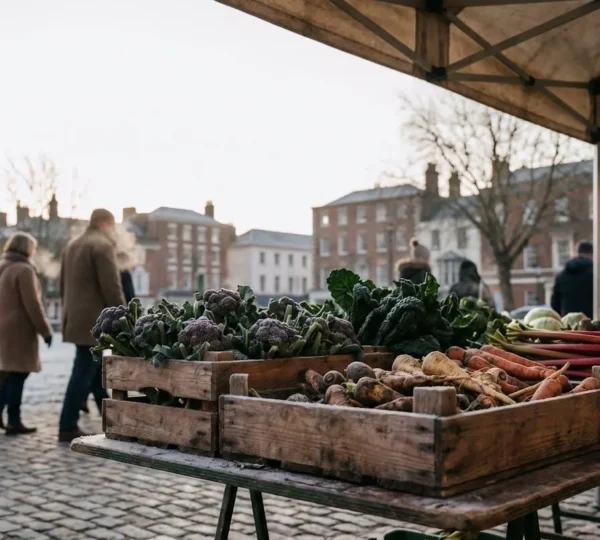
How to Adopt Locavore Standards in a UK City in Winter?
Adopting a 100-mile diet in a UK city during winter is not about restriction, but about unlocking a more resilient and flavourful food system. It involves preserving summer’s bounty with modern methods like pressure canning, which are safer and more…
Read more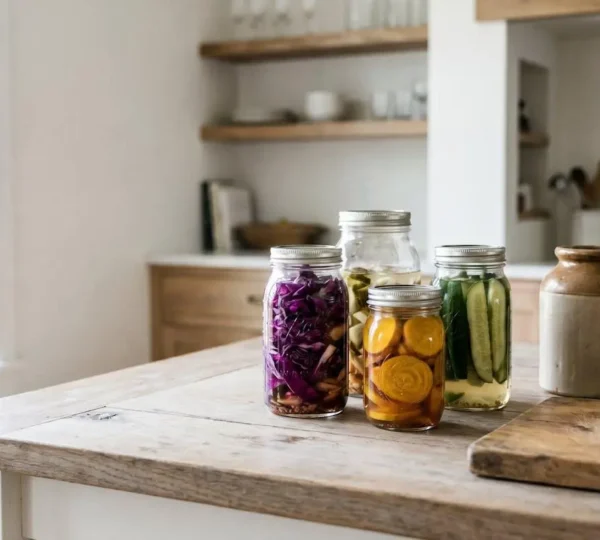
Artisanal Fermentation at Home: A Guide to Safely Mastering Microbial Magic
The secret to successful home fermentation isn’t a perfect recipe; it’s understanding you’re managing a living microbial ecosystem. Safety and consistency come from precise measurements (like weighing salt) and sensory diagnostics, not guesswork. Distinguishing beneficial growths (like Kahm yeast) from…
Read more
What Defines an Avant-Garde Menu in the Post-El Bulli Era?
Contrary to the persistent myth, avant-garde dining is no longer a spectacle of shocking techniques. In the post-El Bulli landscape, true innovation is driven by a chef’s coherent philosophy. The focus has shifted from deconstruction for novelty’s sake to a…
Read more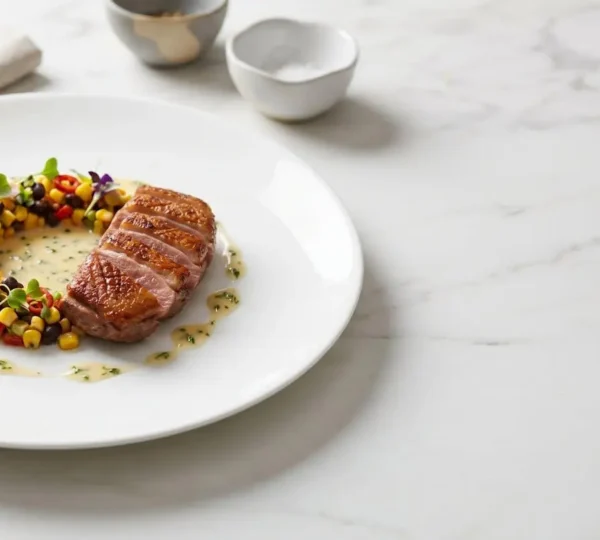
How to Master Gastronomic Fusion Without Creating Confusion on the Plate?
True culinary fusion isn’t about clashing ingredients; it’s about building a new, coherent culinary language based on a deep understanding of structure, technique, and narrative. Successful pairings are often rooted in shared chemical compounds (“flavor bridges”) that connect disparate cuisines….
Read more