Fashion & Clothing
Fashion is far more than fleeting trends or seasonal collections. At its core, it represents a complex intersection of craftsmanship, sustainability, and personal expression. Whether you’re drawn to the precision of bespoke tailoring, the ethics of eco-conscious materials, or the practicality of a well-curated capsule wardrobe, understanding the fundamentals of fashion and clothing empowers you to make choices that align with your values and lifestyle.
The landscape of fashion has evolved dramatically. Consumers increasingly seek transparency about how garments are made, what they’re made from, and how long they’ll last. This shift reflects a broader cultural movement away from disposable consumption toward intentional, informed purchasing. From recognizing authentic quality markers to decoding sustainability certifications, from exploring innovative materials to mastering garment care, this guide provides the foundational knowledge you need to navigate the modern fashion world with confidence.
This article explores the essential pillars of contemporary fashion: the heritage of quality craftsmanship, the urgent need for sustainable practices, the creative potential of circular design, the promise of alternative materials, and the practical strategies for building a wardrobe that serves you well over time.
Understanding Quality and Authenticity in Fashion
In an era of mass production and convincing counterfeits, knowing how to verify genuine quality has become an essential skill. Authentic craftsmanship leaves distinctive markers that separate exceptional garments from mediocre imitations.
Craft Markers and Heritage Standards
Think of quality markers as a garment’s fingerprints—unique identifiers that prove its origin and construction standards. The Harris Tweed Orb Mark, for instance, certifies that fabric was hand-woven by islanders in their homes in the Outer Hebrides of Scotland, using local wool. Similarly, British hallmarks on jewellery indicate precious metal purity through a centuries-old system of assay office stamps. These aren’t mere branding exercises; they represent legally protected standards enforced by governing bodies.
Heritage brands like Barbour or Burberry maintain their reputations through consistent quality control and design continuity. A well-made Barbour jacket from decades ago can still be repaired and rewaxed through the company’s service, exemplifying how quality construction creates lasting value. These pieces often appreciate rather than depreciate, holding significant resale value on platforms dedicated to authenticated luxury goods.
Made-to-Measure vs Bespoke Tailoring
The distinction between made-to-measure and bespoke represents fundamentally different approaches to garment construction. Made-to-measure starts with an existing pattern that’s adjusted to your measurements—imagine a template that gets tweaked to fit your specific dimensions. Bespoke tailoring, conversely, involves creating a unique pattern from scratch based on your body, typically requiring multiple fittings and hand-sewing techniques passed down through generations.
Savile Row, the historic London street synonymous with fine tailoring, maintains strict definitions: true bespoke requires at least 50 hours of hand-work per garment. While made-to-measure offers excellent fit at lower cost, bespoke provides unparalleled customization for those seeking garments that accommodate unique proportions or specific style preferences. Understanding this distinction helps you make informed decisions about investment pieces and recognize authentic craftsmanship.
The Shift Toward Sustainable and Ethical Fashion
Sustainability has moved from niche concern to mainstream priority, but this popularity has spawned confusion and intentional misdirection. Learning to separate genuine commitment from marketing spin is crucial for making environmentally responsible choices.
Navigating Greenwashing and False Claims
Greenwashing—the practice of conveying false impressions about environmental credentials—pervades the fashion industry. A “conscious collection” label might suggest eco-friendly production, yet without specific certifications or transparent supply chain information, such claims often amount to empty marketing. Vague terms like “eco,” “natural,” or “responsible” carry no regulated meaning and can obscure practices that remain fundamentally unsustainable.
To identify genuine sustainability efforts, look for specificity: What percentage of materials is organic or recycled? Which third-party certifications does the garment carry? Is information provided about manufacturing locations and labor conditions? Authentic sustainable brands willingly share detailed information because transparency itself demonstrates commitment. If a company’s sustainability claims lack concrete details or independent verification, skepticism is warranted.
What Certifications Actually Mean
Third-party certifications provide verifiable standards, though understanding what each guarantees requires some knowledge. GOTS (Global Organic Textile Standard) certifies organic fiber content and prohibits toxic chemicals throughout processing, while also requiring decent working conditions. Oeko-Tex Standard 100 tests finished products for harmful substances but doesn’t verify organic growing methods or labor practices.
These certifications serve different purposes: GOTS addresses the entire supply chain from field to finished garment, making it more comprehensive but also more expensive to obtain. Oeko-Tex focuses specifically on consumer safety from chemical residues. Neither certification alone guarantees complete sustainability, but they provide measurable benchmarks far more reliable than unsubstantiated brand claims. When building an eco-conscious wardrobe, prioritize garments carrying recognized certifications and research what each standard actually verifies.
Circular Fashion: Upcycling, Repair, and Zero-Waste
The circular fashion model challenges the traditional linear path of production, consumption, and disposal. Instead, it envisions garments as resources that can be continuously reused, repaired, redesigned, and eventually returned to productive use.
Upcycled and Deadstock Fabrics
Upcycling transforms existing materials into products of higher quality or value—vintage silhouettes modernized for contemporary tastes, or luxury pieces created from discarded textiles. This contrasts with recycling, which typically breaks materials down to their component fibers. Leading designers increasingly incorporate upcycled elements, proving that sustainability and high fashion aren’t mutually exclusive.
Deadstock fabric—surplus material that manufacturers didn’t use—offers another circular solution. These limited-quantity textiles might be overruns from luxury production or discontinued colors and patterns. Because supplies are finite and unreproducible, deadstock pieces possess inherent exclusivity. Designers working with deadstock commit to zero-waste pattern cutting, arranging pattern pieces like puzzle parts to utilize every centimeter of fabric, eliminating the typical waste that occurs when cutting standard patterns from new yardage.
Traditional Repair Techniques in Modern Design
Japanese techniques like Boro (patching) and Sashiko (decorative reinforcement stitching) have transcended their utilitarian origins to become celebrated design elements in contemporary fashion. What began as necessity—extending garment life through visible mending—now represents an aesthetic philosophy that honors imperfection and history. High-fashion brands incorporate these techniques, transforming repair from concealment to celebration.
This shift reflects broader cultural changes in how we value clothing. Rather than discarding garments at the first sign of wear, visible mending techniques acknowledge use and create unique pieces with individual histories. Learning basic repair skills—replacing buttons, reinforcing seams, or practicing simple Sashiko stitches—extends garment life while creating personalized items that mass production cannot replicate.
Innovative Materials Reshaping the Industry
Material innovation addresses fashion’s environmental impact by developing alternatives to resource-intensive conventional fabrics. However, not all “eco-friendly” materials deliver on their promises, making critical evaluation essential.
Mushroom leather (mycelium-based material) has generated significant excitement as a potential replacement for animal and petroleum-based alternatives. Unlike PU leather (polyurethane—essentially plastic), mushroom leather grows from fungal roots in weeks rather than requiring years of animal raising or fossil fuel extraction. However, true biodegradability depends on processing methods; some mycelium materials incorporate synthetic binding agents that compromise their environmental credentials. When evaluating alternative materials, investigate not just the base material but the entire production process.
Natural dyes derived from plants, minerals, and insects offer vibrant colors without the toxic chemical cocktails conventional dyeing requires. While traditional methods prove that brilliant hues don’t necessitate synthetic chemistry, natural dyeing presents challenges: colors may vary between batches, fade differently, and require more water and time than industrial processes. Contemporary natural dye practitioners combine traditional knowledge with modern techniques to achieve both environmental responsibility and color consistency.
Even seemingly sustainable choices harbor unexpected complications. Cotton garments might carry organic certifications, yet their polyester thread—chosen for strength and cost—undermines recyclability and biodegradability. This thread problem exemplifies how fashion’s environmental impact hides in overlooked details. Truly sustainable garments require consideration of every component, from primary fabric to buttons, labels, and stitching.
Building a Smarter, More Intentional Wardrobe
Sustainable fashion isn’t only about what you buy—it’s equally about how much you buy, how often you wear it, and how long you keep it. Strategic wardrobe building reduces consumption while increasing satisfaction.
The Economics of Quality
The cost-per-wear calculation reveals counterintuitive economics: a £200 jacket worn 200 times costs £1 per wear, while a £40 jacket worn 10 times before falling apart costs £4 per wear. This simple math explains why investment in quality often proves more economical than bargain hunting. Before any purchase, ask yourself the 30-wears test question: “Will I wear this at least 30 times?” If you can’t confidently answer yes, the item probably doesn’t deserve space in your wardrobe, regardless of price.
This approach requires shifting perspective from acquisition to utilization. Fast fashion’s appeal lies in variety and novelty, but garments worn once or twice before abandonment represent poor value regardless of low price tags. Quality pieces that integrate seamlessly into your existing wardrobe and suit your actual lifestyle deliver far greater returns on investment, both financially and environmentally.
Capsule Wardrobes and Trans-Seasonal Thinking
A capsule wardrobe—a limited collection of versatile pieces that work together in multiple combinations—maximizes outfit possibilities while minimizing volume. The concept isn’t about deprivation but about curation: selecting items that genuinely serve your life rather than accumulating pieces that seemed appealing in-store but never quite work in practice.
Trans-seasonal dressing extends this principle across climate variations. Layering systems allow core pieces to function year-round: a quality cotton shirt works alone in summer, under sweaters in autumn, beneath coats in winter. This approach proves particularly valuable in regions with variable weather, where investing in versatile, layerable pieces provides more utility than season-specific items with limited wearing windows. The rule of three suggests building outfits around three complementary layers that can be added or removed as temperatures fluctuate.
Caring for Garments and Preserving Their Value
Even the finest garments deteriorate without proper care, while well-maintained pieces can last decades and retain significant resale value. Garment care represents an often-overlooked aspect of sustainable fashion.
Wool care exemplifies how proper maintenance extends garment life dramatically. Rather than frequent washing, which causes felting and wear, wool often needs only airing and spot-cleaning. When washing becomes necessary, cool water, gentle agitation, and flat drying preserve the fiber’s structure. Proper storage—clean, dry, with moth protection—prevents damage during off-season months. These simple practices allow quality knitwear to serve for decades rather than years.
Understanding care requirements before purchasing helps avoid pieces that demand expensive or impractical maintenance. A garment requiring dry-cleaning after every wear imposes ongoing costs and environmental impact that should factor into purchase decisions. Conversely, knowing that a well-constructed piece will maintain its appearance and function with basic care increases its true value.
Resale value increasingly influences purchase decisions as secondhand platforms become mainstream. Certain brands maintain strong resale markets due to consistent quality, timeless design, and brand recognition. When purchasing investment pieces, consider whether the item will retain value if your preferences change. Quality construction, classic styling, and respected brands typically hold value better than trend-driven fast fashion. This consideration doesn’t mean buying only for potential resale, but recognizing that garments with resale potential represent lower-risk investments.
Fashion and clothing, approached thoughtfully, become tools for self-expression that align with your values rather than compromise them. By understanding quality markers, recognizing genuine sustainability, appreciating circular design, evaluating innovative materials, building strategic wardrobes, and maintaining garments properly, you transform clothing from disposable commodity to lasting resource. Each choice you make—what to buy, how often to wear it, how to care for it—contributes to a more intentional, sustainable, and personally satisfying relationship with fashion.
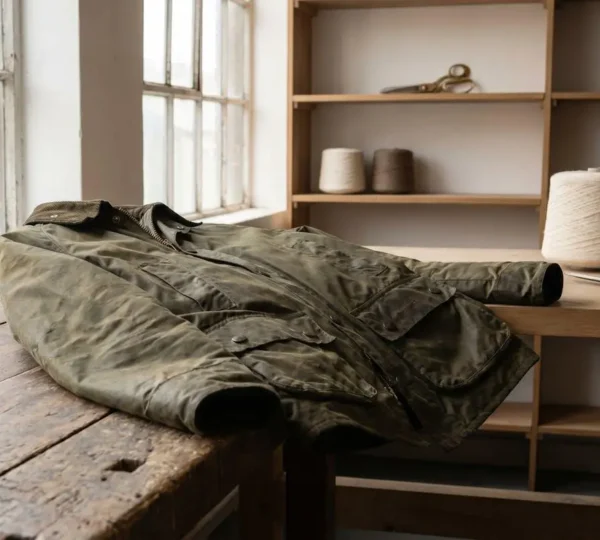
Why Is the Slow-Fashion Paradigm Crucial for the Future of British Style?
Embracing slow fashion is less about restriction and more about becoming a custodian of a garment’s story. By prioritising heritage craftsmanship, intentional care, and viewing wear as part of a piece’s biography, you can build a truly sustainable and deeply…
Read more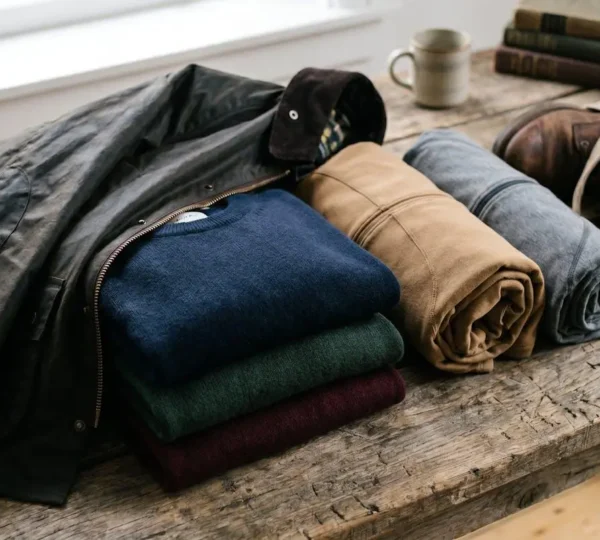
How to Build a Capsule Wardrobe That Works for a Changing UK Climate?
Building a functional UK capsule wardrobe isn’t about finding the perfect trench coat; it’s about implementing a strategic system to eliminate decision fatigue. Focus on high-performance, trans-seasonal fabrics that can handle the UK’s unpredictable weather. Adopt behavioural tricks like the…
Read more
How Are Designers Using Upcycled Fabrics to Create Luxury Fashion?
Upcycled luxury isn’t about compromise; it’s about elevating design by treating a material’s history and constraints as the ultimate creative brief. Deadstock and vintage fabrics aren’t “leftovers”; they’re treated as limited-edition canvases with built-in narratives that drive value. Techniques like…
Read more
How to Build an Eco-Conscious Wardrobe Without Falling for Greenwashing?
The most powerful tool against fashion greenwashing isn’t just buying less; it’s becoming a savvy “wardrobe investor” who can forensically evaluate quality and value beyond the marketing hype. Vague claims like “eco-friendly” are red flags; true sustainability is proven with…
Read more