Travel & Culture
Travel has evolved far beyond the checklist of landmarks and selfie opportunities. The most transformative journeys today are those that prioritize cultural depth over superficial coverage, seeking understanding rather than mere observation. This approach to travel recognizes that every destination holds layers of meaning—from the prehistoric stones that mark ancient sacred sites to the minority languages fighting for survival in the modern world.
Whether you’re walking a historic pilgrimage route for mental clarity, researching your family tree in parish archives, or learning a heritage craft from the last practitioners of a dying tradition, culturally conscious travel offers something conventional tourism cannot: genuine connection. This comprehensive resource explores how to engage meaningfully with the cultural landscape, balancing personal enrichment with preservation and respect for the communities that keep these traditions alive.
Beyond Tourist Trails: Rediscovering Authentic Cultural Heritage
The standard tourist circuit often bypasses the sites that tell the most compelling stories. While palaces showcase the lives of the elite, industrial revolution mills in the North reveal how ordinary people transformed the world through innovation and endurance. These textile factories, ironworks, and coal mines are where modernity was forged—literally and figuratively.
Similarly, prehistoric Britain extends far beyond Stonehenge. Lesser-known stone circles and ancient pathways, often called ley lines by modern seekers, offer opportunities for contemplation without the crowds. Experiencing these sites respectfully means understanding their archaeological significance while acknowledging the gap between evidence-based history and romantic speculation. The distinction matters: treating sacred sites as Instagram backdrops diminishes their cultural value.
Heritage crafts provide another entry point into authentic cultural engagement. Learning blacksmithing, thatching, or dry-stone walling from master craftspeople connects you directly to techniques refined over centuries. These aren’t museum demonstrations—they’re living skills that require physical understanding. Organizations across Britain offer workshops where you can feel the resistance of iron under the hammer or understand why a thatched roof can last forty years when properly constructed.
Experiential Learning Through Living History and Folklore
Reading about the English Civil War pales in comparison to standing in a reenacted battle formation, feeling the weight of period armor, and understanding viscerally why pike squares were effective against cavalry charges. Living history events engage multiple senses simultaneously, creating memories that facts alone cannot.
However, not all historical experiences are created equal. Ghost walks and history tours often blur Victorian fiction with documented events. Learning to separate theatrical storytelling from archaeological evidence enhances both experiences—you can enjoy the atmospheric tale while also appreciating what actually happened. The best guides are transparent about which is which.
British folklore remains a living tradition at storytelling festivals, where oral historians share tales passed down through generations. These aren’t children’s entertainment but complex narratives encoding historical memory, local geography, and cultural values. Planning immersive expeditions around folklore sites—from the Sutton Hoo burial mounds to the forests associated with Arthurian legend—transforms abstract stories into tangible landscapes you can walk through and experience directly.
Conscious Travel: Balancing Exploration With Preservation
National parks and heritage sites face a paradox: they need visitors to justify their protection, yet excessive tourism damages the very qualities that make them worth protecting. Conscious exploration means making choices that minimize your impact while maximizing genuine engagement.
Timing Your Visit Strategically
Off-peak travel benefits everyone involved. Visiting Cornwall in November rather than August means shorter queues, lower prices, and the chance to see how locals actually live when their communities aren’t overwhelmed by seasonal visitors. You’ll experience dramatic Atlantic storms rather than beach weather, but that’s part of understanding a place fully—not just its summer postcard version.
Choosing Sustainable Transportation
The train versus car debate for exploring remote regions like the Highlands isn’t just environmental—it’s experiential. Rail travel forces you to slow down, notice landscapes rather than frantically navigate, and interact with fellow travelers. While some destinations genuinely require vehicle access, many travelers default to driving out of habit rather than necessity. Research your specific route: you might be surprised how accessible certain areas are via public transport combined with local walking.
Accommodation That Preserves History
The Landmark Trust pioneered the concept of preservation through use, converting follies, lighthouses, and historic buildings into holiday rentals. Staying in these properties funds their ongoing maintenance while giving you intimate access to architectural history. However, not all heritage accommodation is genuine. Castle hotels often gut interiors to create modern luxury, leaving only the shell as decoration. If architectural authenticity matters to you, research carefully before booking.
Ancestral Journeys: Connecting With Your Heritage
Genealogical research transforms abstract history into personal narrative. British archives hold extraordinary records, but effective ancestral preservation requires understanding which sources exist and how to access them properly.
Pre-1837 Research Challenges
Civil registration began in England and Wales in 1837, making earlier research more complex. Parish registers become essential for tracing baptisms, marriages, and burials before that date. Online databases help, but visiting local record offices remains crucial for accessing original documents, understanding local handwriting variations, and consulting with archivists who know their collections intimately.
Preserving Living Memory
While written records anchor genealogical facts, interviewing elderly relatives captures context that documents cannot: why the family left one town for another, what great-grandfather’s laugh sounded like, which traditions mattered enough to maintain across generations. These conversations are time-sensitive. Prepare specific questions about occupations, migration, relationships, and cultural practices, but also leave space for spontaneous stories. Record both audio and video when possible—future generations will value seeing their ancestor’s expressions and gestures.
Grave Maintenance Best Practices
Finding ancestral graves completes many genealogical journeys, but well-intentioned cleaning can cause irreversible damage. Never use household cleaners, wire brushes, or pressure washers on historic headstones. Soft brushes, water, and patience are safest. Different stone types require different approaches: what works for granite will damage soft sandstone. When in doubt, consult conservation professionals rather than risk destroying the inscription you’re trying to preserve.
Indigenous Cultures and Minority Languages: The Living Fabric of Britain
Britain’s cultural diversity extends beyond recent immigration to include indigenous minority languages and distinct cultural traditions that predate the modern nation-state. Welsh, Scottish Gaelic, Irish Gaelic, and Cornish represent continuity with pre-Roman Britain, and their survival depends on active engagement from new speakers.
Language Learning Approaches
Apps like Duolingo provide accessible introductions to Welsh and Scottish Gaelic, but language immersion develops practical fluency that software cannot replicate. Attending Welsh-language chapel services, Gaelic music sessions, or community events where the language is used naturally creates context for vocabulary and pronunciation. You’ll make mistakes, but communities generally appreciate sincere effort to engage with their linguistic heritage.
Cultural Festivals and National Identity
The National Eisteddfod, Europe’s largest cultural festival, celebrates Welsh language and arts through competitions in poetry, music, and performance. First-time attendees often assume events will be translated, but the Eisteddfod is conducted entirely in Welsh—that’s the point. It’s a week-long demonstration that the language thrives as a complete medium for contemporary culture, not just a historical curiosity.
Cornwall’s recognition as a national minority provides cultural protection and funding, acknowledging Cornish distinctiveness beyond folklore. This status affects language revitalization efforts, cultural education, and how Cornish identity is represented in national policy. Understanding these frameworks helps visitors engage respectfully with communities for whom cultural preservation is ongoing political work, not nostalgic performance.
Architectural Wonders: Engineering Meets Artistry
London’s famous buildings often hide remarkable engineering achievements beneath their aesthetic exteriors. St Paul’s Cathedral’s dome, for instance, is actually three nested domes—an inner dome providing interior proportion, a hidden brick cone bearing the structural weight, and an outer timber-framed dome creating the external profile. Christopher Wren’s ingenious solution allowed him to achieve both the interior height and exterior prominence he wanted while managing gravitational forces that would have collapsed a single dome of that scale.
Similar hidden marvels exist throughout Britain: Victorian railway stations with pioneering iron-frame construction, aqueducts that carry canals over valleys, and Gothic cathedrals where flying buttresses allow impossibly large windows by transferring weight outside the building envelope. Learning to read these structures—understanding why they’re shaped as they are—adds a layer of appreciation that purely aesthetic observation misses.
Practical Wisdom for Transformative Travel Experiences
Turning Gap Years Into Enlightening Odysseys
The difference between a gap year and an odyssey lies in intentionality. Rather than collecting countries, focus on depth: spend three months in one region learning a skill, volunteering with a heritage organization, or documenting an endangered tradition. This approach builds genuine competence and relationships rather than superficial exposure.
Safety for Solo Female Travelers
Exploring off-the-beaten-path destinations alone requires different risk assessment than group travel. Research accommodation reviews specifically from solo female travelers. Trust your instincts about situations that feel uncomfortable—politeness isn’t worth compromising your safety. Share your itinerary with someone reliable and check in regularly. Join local group activities (guided walks, workshops, community events) to meet people in structured settings before venturing into isolated areas.
Budget Travel Strategies
Traveling Britain for three months on a limited budget requires creativity: youth hostels and wild camping for accommodation, rail passes purchased in advance, volunteering with organizations that provide food and lodging in exchange for work. Cook your own meals using local markets rather than eating out. Many museums and heritage sites offer free admission or reduced prices on specific days. The constraint of limited funds often produces richer experiences because it forces interaction with local systems rather than insulating yourself with tourist infrastructure.
Cultural travel rewards those who approach it as ongoing education rather than passive consumption. Each of these domains—heritage crafts, ancestral research, minority languages, architectural analysis—offers lifelong depth. The goal isn’t to master everything but to find which threads resonate most strongly with your own curiosity, then follow them as deeply as your time and commitment allow. Authentic cultural engagement transforms both the traveler and, when done respectfully, contributes to the preservation of the traditions themselves.

How to Turn a Standard Gap Year into an Enlightening Odyssey
A truly transformational gap year doesn’t happen by accident; it’s designed with intention. Contrary to the cliché of “finding yourself,” a meaningful odyssey comes from applying deliberate frameworks to your experiences, not from aimless wandering. The shift from passive tourist…
Read more
The Hidden Engineering of London: A Structural Engineer’s Guide to the City’s True Marvels
The true genius of London’s architecture isn’t in what you see, but in the complex engineering problems solved beneath the surface. Unseen forces like wind, ground vibration, and even data latency are the primary drivers behind the design of the…
Read more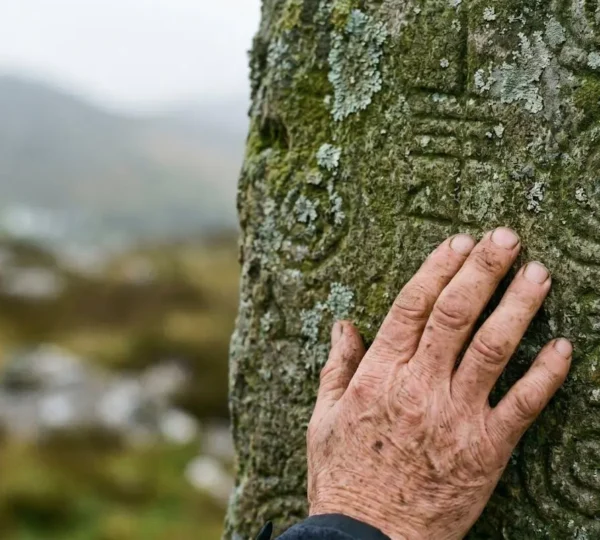
Beyond the Tartan: A Guide to Meaningful Engagement with the UK’s Minority Cultures
True cultural engagement goes beyond observation; it requires active participation in the living systems that sustain a culture. Supporting legally protected crafts like Harris Tweed or resilient agricultural models like crofting provides direct economic solidarity. Engaging with a minority language,…
Read more
How to Start Your Ancestral Preservation Journey Using UK Archives?
Tracing your British ancestry is less about finding a single document and more about mastering the art of detective work. Combine DNA insights with paper trails from local UK record offices for a complete picture. Preserve physical heirlooms (photos, letters)…
Read more
How to Practice Conscious Exploration in the UK’s National Parks?
True conscious exploration goes beyond basic rules; it’s about actively enhancing the UK’s precious landscapes and communities every time you visit. Your spending choices can either fuel “economic leakage” or directly build the resilience of local economies. Your travel timing…
Read more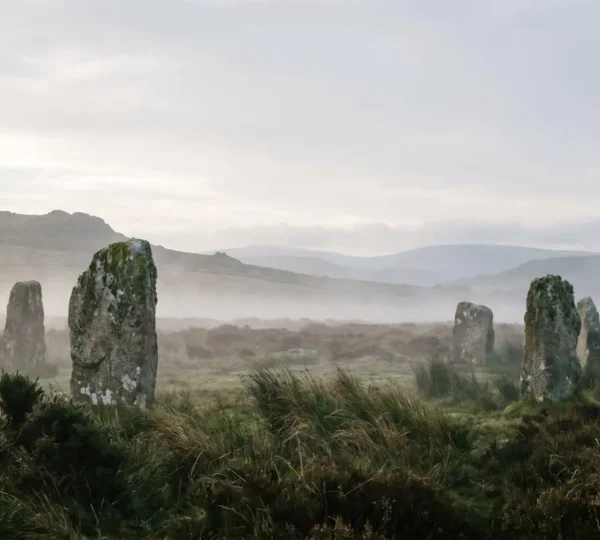
How to Plan Immersive Expeditions That Bring Ancient British Folklore to Life?
Think historical trips can’t compete with a smartphone for your teen’s attention? The truth is, most ‘historical’ holidays are just sightseeing. Immersive expeditions are a different beast entirely. The goal isn’t just to see old things, but for your family…
Read more
How to Rediscover British Cultural Heritage Beyond the Standard Tourist Trail?
As a historian and Blue Badge Guide, I have often watched visitors stand in the magnificent halls of a British castle, take a photograph, and move on. There is a sense of awe, certainly, but also a quiet, unspoken disappointment….
Read more