Environment & Nature
The environmental challenges facing our planet have never been more urgent, yet the opportunities for positive action have never been more accessible. From the carbon dioxide accumulating in our atmosphere to the decline of pollinator populations in our gardens, from the plastic particles shedding from our clothing to the ancient peatlands storing centuries of carbon, understanding environmental systems is no longer an academic exercise—it’s a practical necessity for anyone who wants to make informed choices about how they live, work, and interact with the natural world.
This resource brings together the essential concepts, emerging technologies, and practical strategies that define modern environmental stewardship. Whether you’re curious about how nuclear fusion might transform our energy future, wondering why a 13cm hole in your fence could save hedgehog lives, or questioning whether your local hothouse lettuce is truly more sustainable than imported alternatives, you’ll find the foundational knowledge you need here. The goal isn’t to overwhelm you with doom-laden statistics, but to equip you with the understanding necessary to ask better questions, make more informed decisions, and recognize genuine environmental progress when you see it.
The interconnected nature of environmental issues means that solutions rarely exist in isolation. A wildlife corridor benefits pollinators, which support food production, which reduces pressure on wild habitats. Understanding these connections transforms environmental action from a series of disconnected consumer choices into a coherent framework for living more lightly on the planet.
Climate Action: Energy Innovation and Carbon Removal
The concentration of carbon dioxide in Earth’s atmosphere has risen faster in recent decades than at any point in human history. The Keeling Curve, the iconic graph tracking atmospheric CO₂ since the late 1950s, shows an unmistakable upward trajectory that drives the urgent need for both clean energy and active carbon removal strategies.
The Promise of Clean Energy Technologies
Nuclear fusion represents the holy grail of clean energy: the same process that powers the sun, potentially harnessed to generate electricity with minimal radioactive waste and no carbon emissions. Programmes like the UK’s STEP initiative are working toward commercial fusion power, though significant engineering challenges remain. Unlike current nuclear fission reactors, fusion would use abundant fuel sources and produce far less long-lived radioactive waste.
Meanwhile, the batteries powering today’s electric vehicles face their own sustainability questions. The recyclability of emerging solid-state batteries remains uncertain—these next-generation power sources promise greater energy density and safety, but their complex material compositions may prove harder to recover than current lithium-ion technology. Equally important is what happens to EV batteries when they drop below automotive performance standards: second-life applications in home energy storage or grid balancing can extend their useful life by a decade or more before recycling becomes necessary.
Beyond Tree Planting: Active Carbon Removal
While reforestation matters, addressing atmospheric carbon requires a broader toolkit. Enhanced rock weathering involves spreading crushed silicate minerals on agricultural fields, where they react with CO₂ and lock it away as stable carbonates—essentially accelerating a natural geological process. Biochar, produced by heating agricultural waste in low-oxygen conditions, creates a stable form of carbon that improves soil quality while sequestering carbon for centuries.
More controversial approaches like ocean alkalinity enhancement—adding alkaline substances to seawater to increase CO₂ absorption—and iron fertilization of oceans to stimulate plankton growth raise complex questions about unintended ecological consequences. The ocean’s chemistry is delicately balanced, and changing it at scale carries risks we’re only beginning to understand.
Protecting Biodiversity: From Gardens to Landscapes
The loss of biodiversity rivals climate change as an existential threat, yet it receives far less public attention. The two crises are deeply intertwined: healthy ecosystems store carbon, regulate water cycles, and provide the resilience that human societies depend upon. Protecting and restoring biodiversity requires action at every scale, from individual gardens to entire regions.
Why Native and Local Matter
Choosing indigenous flora for gardens isn’t merely aesthetic preference—it’s an ecological imperative. Native plants have co-evolved with local insects, birds, and soil organisms, creating relationships that introduced species cannot replicate. A native oak can support hundreds of insect species; a non-native ornamental might support fewer than a dozen. This matters because insects form the base of food webs that sustain everything from songbirds to foxes.
Even among native species, local provenance matters. Seeds sourced from distant populations may be poorly adapted to local conditions, reducing their resilience and their value to local wildlife. A wildflower meadow planted with native species from the wrong region may look appropriate but fail to support the specialized pollinators that depend on subtle differences in flowering times or nectar chemistry.
The Insect Apocalypse and What It Means
Pollinator populations have declined dramatically in recent decades—a phenomenon sometimes called the insect apocalypse. These losses aren’t limited to charismatic honeybees; wild bees, hoverflies, butterflies, and beetles that pollinate crops and wild plants are disappearing from landscapes across the developed world. The causes are multiple: habitat loss, pesticide use, disease, and climate change all play roles.
The solution requires habitat creation at scale. A single wildflower meadow in place of a mowed lawn provides nectar and pollen across the growing season. Wildlife corridors—continuous chains of habitat—allow species to move between fragmented patches. Even simple interventions like hedgehog highways (13cm gaps at the bottom of fences) can reconnect territories divided by human infrastructure.
Habitat Connectivity in the Built Environment
Creating wildlife corridors isn’t limited to rural areas. Urban environments can support surprising biodiversity when designed thoughtfully. Green bridges over motorways allow deer, badgers, and smaller mammals to cross safely. Reducing light pollution from streetlights protects bat foraging corridors and prevents the disorientation of nocturnal insects. Citizen science projects enable residents to map animal movement through their towns, revealing unexpected patterns and informing conservation priorities.
Traditional landscape features like hedgerows function as superhighways of the countryside, providing food, shelter, and safe passage for countless species. Maintaining and restoring these features creates networks that sustain biodiversity even in intensively farmed landscapes.
Regenerative Land Management and Sustainable Agriculture
Agriculture occupies a paradoxical position in environmental discussions: it’s both a major driver of environmental degradation and a potential solution. Industrial farming contributes to soil erosion, water pollution, and greenhouse gas emissions, yet regenerative approaches can reverse these trends while maintaining or even increasing productivity.
Farming Practices That Build Soil and Store Carbon
No-till farming avoids ploughing, leaving soil structure intact and allowing organic matter to accumulate. This stores carbon, improves water retention, and supports soil organisms. The practice challenges conventional wisdom that soil must be turned annually, but evidence shows that undisturbed soil ecosystems can be remarkably productive.
Mob grazing—moving livestock frequently to mimic the movement patterns of wild herbivores—prevents overgrazing while stimulating plant growth. Cattle concentrated in small areas for short periods eat vegetation intensively, their hooves break up soil crusts, and their manure fertilizes the ground. Then the animals move on, allowing pasture to recover and grow vigorously.
These practices exemplify holistic ecological stewardship, where farm management decisions consider entire ecosystems rather than maximizing single outputs. The goal is land that becomes healthier over time, measured through biodiversity net gain calculations that track whether species richness and habitat quality are improving.
Natural Flood Management and Ecosystem Services
Peatlands deserve special mention as the UK’s most effective carbon stores. These waterlogged landscapes accumulate organic matter over millennia, locking away carbon that would otherwise enter the atmosphere. Damaged peatlands release this stored carbon, but peatland restoration—rewetting drained bogs and removing inappropriate tree planting—can halt emissions and restart carbon accumulation.
Natural flood management uses landscape features to slow water movement during storms. Leaky dams made from logs create temporary ponds that reduce downstream peak flows. Beavers, returning to British rivers after centuries of absence, create similar structures naturally. These interventions work with ecological processes rather than against them, providing flood protection while creating wetland habitats.
Micro-Rewilding: Scaling Nature Recovery
Rewilding captures imaginations with visions of wolves and wild forests, but micro-rewilding brings similar principles to small spaces. Even a typical garden can incorporate wilder areas: unmowed patches, log piles for beetles, ponds for amphibians. The question isn’t whether you can rewild a garden versus a five-acre field—it’s about applying rewilding principles at whatever scale you control.
Sustainable Living: Home, Fashion, and Daily Choices
Environmental impact isn’t limited to farms and nature reserves. The homes we heat, the clothes we wear, and the food we eat create footprints that collectively dwarf those of many industrial processes. Understanding these impacts enables more effective personal action.
Home Energy: The Hierarchy of Efficiency
Before investing in renewable generation, reduce energy demand. Airtightness—sealing the gaps that allow warm air to escape—often provides better returns than expensive heat pumps or solar panels. Victorian terraces and other older buildings present particular challenges, but techniques exist for improving their thermal performance while respecting their character.
Smart meters provide real-time consumption data, but CT clamps (current transformers) offer more granular monitoring of individual circuits, revealing which appliances consume most. Even seemingly minor technologies like waste water heat recovery systems (WWHRS) can reclaim significant energy from shower drain water, preheating cold water supplies.
The economics of solar battery storage depend heavily on individual usage patterns. Without an EV to charge, batteries may struggle to pay for themselves through energy arbitrage alone, though they provide resilience during grid outages and may become more economical as electricity tariffs evolve.
Fashion’s Hidden Environmental Costs
The clothing industry’s environmental impact extends far beyond manufacturing emissions. Synthetic fabrics shed microplastics with every wash—tiny plastic fibers that flow through sewage systems into waterways and oceans. Washing synthetic clothes less frequently and using filtered washing bags can reduce this pollution significantly.
Not all fabrics claiming environmental benefits deliver on their promises. The distinction between biodegradable and compostable matters: a fabric might eventually break down (biodegradable) yet leave harmful residues, while truly compostable materials decompose into beneficial soil components. Few consumers can successfully compost fabrics at home—most require industrial composting facilities. Understanding decomposition timelines helps: Tencel breaks down in months under the right conditions, while polyester persists for decades or centuries in landfill.
Food Systems: Local Isn’t Always Better
The food miles concept—that local food is always more sustainable—oversimplifies complex systems. Lifecycle analysis reveals that heated glasshouses can consume more energy than transporting field-grown produce from warmer climates. The carbon footprint of local hothouse lettuce grown in winter might exceed that of imported field lettuce grown under natural sunlight.
Community Supported Agriculture (CSA) schemes connect consumers directly with farms through subscription boxes, sharing both harvest abundance and seasonal scarcity. The hungry gap—late winter and early spring when stored crops are exhausted and new growth hasn’t started—challenges participants to eat seasonally in ways that supermarkets have trained us to forget.
Urban foraging brings Michelin-quality ingredients like wild garlic, elderflower, and mushrooms within reach of city dwellers, though it requires knowledge to harvest safely and sustainably. Supporting hyper-local tourism by buying directly from farmers and participating in conservation holidays or WWOOFing (working on organic farms in exchange for room and board) creates economic incentives for sustainable land management.
Circular Economy: Rethinking Waste and Resources
The linear take-make-dispose model of consumption is environmentally and economically unsustainable. Circular economy principles aim to eliminate waste by designing products for longevity, repair, and eventual recovery of materials.
The Waste Hierarchy in Practice
Landfill represents the least desirable disposal option, yet millions of tonnes of material still end up buried. Leachate—the contaminated liquid that seeps from decomposing waste—can pollute groundwater if not properly managed. Modern landfills incorporate liner systems and leachate treatment, but older sites often lack these protections.
Anaerobic digestion offers a superior pathway for food waste, breaking it down in oxygen-free conditions to produce biogas for energy generation and digestate for fertilizer. Energy from Waste (EfW) facilities burn refuse to generate electricity—a better outcome than landfill, though still inferior to waste prevention or recycling.
Emerging approaches like landfill mining—excavating old waste tips to recover metals and other valuable materials—may become economically viable as virgin resource prices rise and separation technologies improve.
Marine Ecosystems: The Ocean’s Hidden Heroes
Oceans cover 71% of Earth’s surface yet remain poorly understood by most people. Marine ecosystems provide services essential to planetary habitability, from oxygen production to climate regulation, yet face mounting pressures from pollution, acidification, and temperature rise.
Phytoplankton: Invisible Giants
These microscopic marine organisms deserve recognition as among the most important life forms on Earth. Phytoplankton form the base of oceanic food webs—every fish, seal, and whale depends ultimately on these tiny photosynthesizers. Their role in oxygen production is often overstated (the claim that they produce half the world’s oxygen is imprecise—the figure varies and depends on how you measure), but their importance cannot be overstated.
When phytoplankton populations bloom excessively, usually due to nutrient pollution, the results can be catastrophic. Algal blooms consume oxygen as they decompose, creating dead zones where marine life cannot survive. They can also produce toxins harmful to humans and animals.
Understanding these systems remains incomplete. The complexity of ocean ecosystems means that seemingly beneficial interventions can have unexpected consequences, reminding us that environmental solutions require humility, careful monitoring, and willingness to adjust course when evidence demands it.
Environmental understanding empowers action. The challenges outlined here—from climate change to biodiversity loss, from unsustainable consumption to ocean degradation—can feel overwhelming in aggregate. Yet each area offers concrete opportunities for improvement, whether through personal choices, community initiatives, or support for systemic change. The key is recognizing that environmental stewardship isn’t a specialized discipline reserved for experts, but a fundamental literacy that enriches decision-making in every aspect of life.
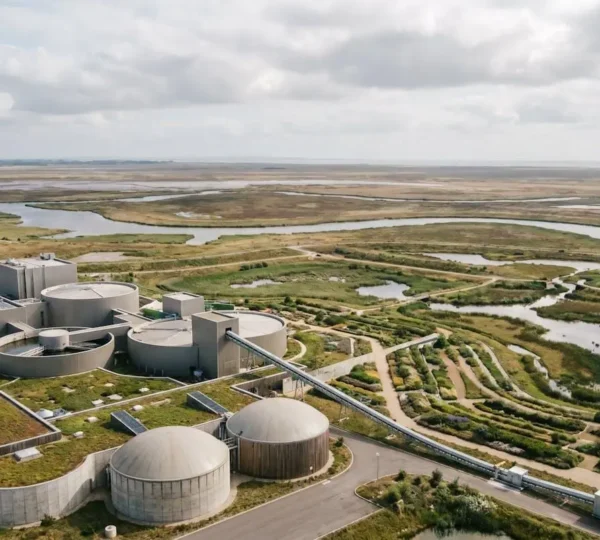
How to Reduce Landfill Mass Through Circular Economy Principles?
Viewing landfill as an end-of-line cost is a systemic flaw; the circular economy reframes it as a valuable asset holding recoverable materials and energy. Strategically mining legacy sites can yield millions in recovered metals, turning a liability into a revenue…
Read more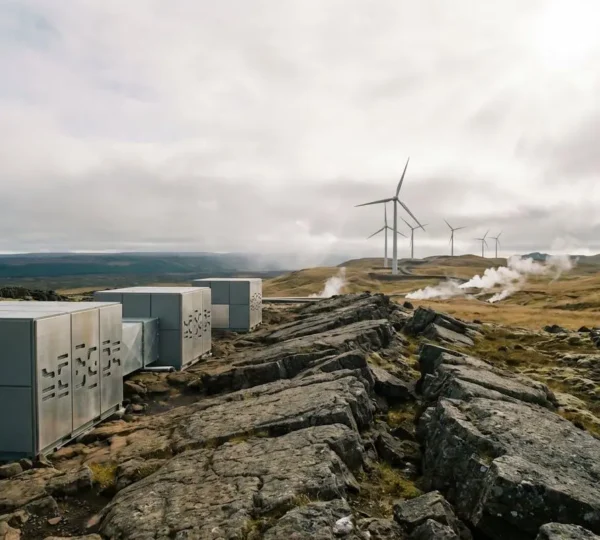
How Can We Effectively Remove Atmospheric Carbon Dioxide Beyond Just Planting Trees?
Novel Carbon Dioxide Removal (CDR) technologies represent a potential gigaton-scale market, but are currently defined by immense energy requirements, unproven scalability, and critical measurement challenges. Engineered solutions like Direct Air Capture (DAC) face a massive ‘energy penalty,’ with realistic scenarios…
Read more
How to Create Wildlife Corridors in Urban and Rural Settings?
The key to saving local wildlife isn’t creating massive, isolated nature reserves, but strategically connecting our own back gardens and neighborhoods into a functional, permeable landscape. Small, intentional actions, like a 13cm fence hole, create vital “micro-corridors” that form a…
Read more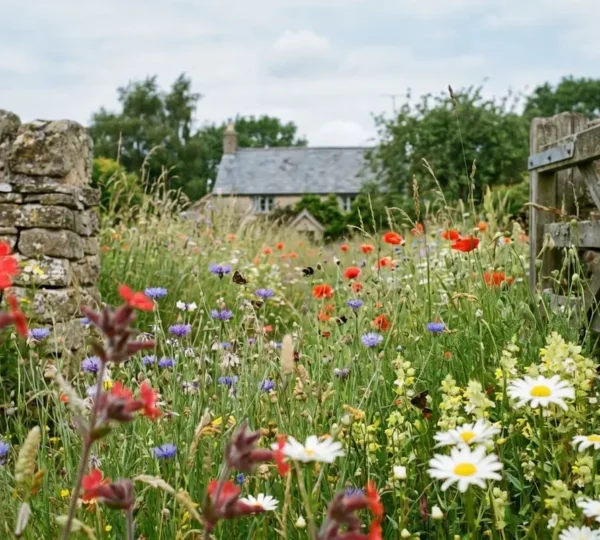
Why Indigenous Flora Is the Cornerstone of a Resilient UK Garden
Creating a resilient, wildlife-friendly UK garden isn’t just about choosing native plants—it’s about choosing the right native plants with local genetic integrity. True resilience comes from understanding that a garden is an ecosystem, where soil health, plant genetics, and wildlife…
Read more
Why Is Safeguarding Biodiversity as Critical as Fighting Climate Change?
Your Net Zero strategy is incomplete if it ignores biodiversity. Moving beyond simple carbon-tunnel vision, ecosystem resilience depends on functional diversity—the variety of roles species play, not just their numbers. Modern tools like bioacoustic monitoring now allow us to measure…
Read more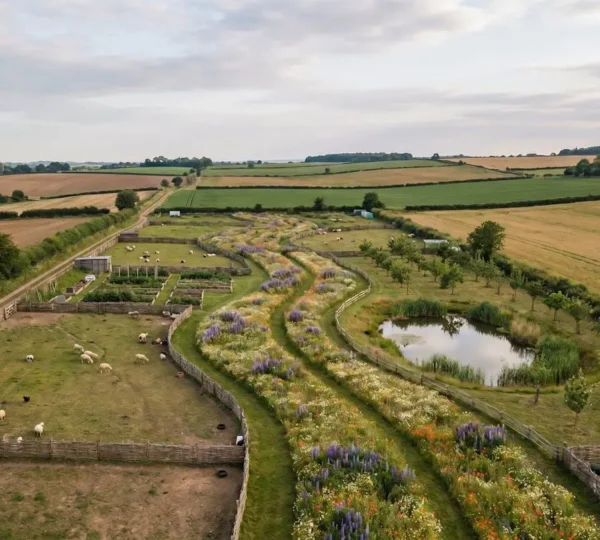
How to Practice Holistic Ecological Stewardship on Small Holdings?
The key to successful ecological stewardship isn’t a long list of tasks, but a fundamental shift in mindset: manage your land as an interconnected system where profitability is a direct outcome of ecological health. Mimicking natural processes like herd movement…
Read more
How to Achieve Optimal Energy Conservation in a Victorian Terrace Renovation?
The key to slashing energy bills in a Victorian home isn’t chasing expensive gadgets, but mastering the building’s fabric first. Prioritising insulation and airtightness yields far greater returns than installing a heat pump in a draughty property. Preserving heritage features…
Read more
Biodegradable Fibers: A Technician’s Guide to Composting Clothes at Home
Contrary to popular belief, a “100% natural” label does not guarantee a garment is safe for your home compost pile. Most clothing contains hidden plastics like polyester thread, synthetic labels, and toxic chemical dyes that contaminate soil. Fabrics like Tencel™…
Read more