Think historical trips can’t compete with a smartphone for your teen’s attention? The truth is, most ‘historical’ holidays are just sightseeing. Immersive expeditions are a different beast entirely.
- The goal isn’t just to see old things, but for your family to become ‘sensory detectives’ and decode the past through touch, taste, and sound.
- Authenticity trumps spectacle: a real story in a quiet ruin is more powerful than a fake battle in a crowded castle.
Recommendation: Start by shifting your mindset from ‘tourist’ to ‘expedition curator’ to design a trip that tells a story your teenagers will actually want to be a part of.
You’ve seen the eye-roll. The one that appears the moment you suggest a holiday activity involving a museum, a castle, or anything labeled “historical.” For families with teenagers, bridging the gap between ancient stories and modern attention spans can feel like an impossible quest. The standard approach—dragging them through another set of ruins while reading from a guidebook—is a guaranteed recipe for disengagement. You’re left feeling like a frustrated lecturer, and they retreat deeper into their digital worlds.
Most travel advice offers more of the same: lists of popular historical sites or tourist-trap “experiences.” They suggest you go on a ghost tour or visit a castle but fail to explain how to make these moments meaningful. They treat history as a static exhibit to be passively observed. But what if the key wasn’t about what you *see*, but about what you collectively *experience*? What if you could transform your family trip from a historical sightseeing tour into a genuine, multi-sensory expedition?
The secret lies in a radical shift in perspective: stop being tourists and become educational travel curators. Your mission is to design an adventure that engages all five senses, turning your family into a team of ‘sensory detectives.’ This guide is built on that principle. We’ll move beyond the obvious to explore how living history events, authentic banquets, and even the food you eat can become tools for storytelling. We will equip you with the strategies to decode the landscape, engage with living traditions, and create memories so vivid they feel like you’ve touched the past.
This article provides a structured framework for curating your own immersive folklore expedition. Each section is designed to give you the practical tools and critical mindset needed to find the authentic experiences that will captivate your entire family, especially the hard-to-impress teenagers.
Summary: How to Plan Immersive Expeditions That Bring Ancient British Folklore to Life?
- Living History Events: Why Are Reenactments the Best Way to Understand the Civil War?
- Medieval Banquets: How Authentic Are They and Where to Find the Real Deal?
- Ghost Walks vs History Tours: How to Separate Fact from Victorian Fiction?
- Storytelling Festivals: Where to Hear the Last Keepers of Oral Tradition?
- Castle Hotels: How to Choose One That Isn’t Just a Modern Hotel in a Shell?
- Travel Journaling: Why Writing Daily Changes Your Memory of the Trip?
- Narrative Menus: How to Design a Meal That Tells a Biography?
- How to Engage with Indigenous Cultures and Minority Languages in the UK?
Living History Events: Why Are Reenactments the Best Way to Understand the Civil War?
Textbooks and museum plaques can only convey so much about the visceral reality of a historical period like the English Civil War. They give you the dates and names, but not the smell of gunpowder, the weight of a pike, or the chilling sound of a cavalry charge. Reenactments offer a powerful antidote to this passive learning. They are not just about watching people in costumes; they are exercises in sensory archaeology, allowing your family to experience a curated, multi-sensory version of the past. For a teenager who learns best by doing, this is the most effective way to understand history.
The value of this approach is in its tangibility. True immersion moves beyond the visual. It’s about asking questions like: What did a blacksmith’s workshop actually sound like? How did the rough wool of a soldier’s coat feel? By engaging with historical reenactors, you gain access to a wealth of researched, hands-on knowledge. These are not just actors; they are dedicated hobbyists who have often learned period crafts, from cooking to leatherworking, and can provide insights you will never find in a book. This is active learning, where history becomes a living, breathing entity.
The concept of using reenactment as a research tool is well-established in academia. As demonstrated by living museums, applying sensory archaeology theories through hands-on tactile experiences with replicas provides insights that original artifacts cannot. By participating, you are engaging with material culture in a way that reveals how historical individuals perceived their world. It’s the difference between reading a description of a musket and feeling the jolt of its (blank) firing, a memory far more potent than any paragraph.
To deepen this, try a ‘Reverse Reenactment’ exercise with your family. Take a famous scene from folklore or history, like a meeting at a crossroads. Find a similar, safe location and try to reconstruct the sensory experience. What are the modern sounds you need to filter out? What would you have heard instead? This simple act of focused listening and observation transforms a simple walk into a deep, investigative experience, making your teenagers active participants, not just passive observers.
Medieval Banquets: How Authentic Are They and Where to Find the Real Deal?
The promise of a “medieval banquet” is a cornerstone of historical tourism in the UK, but the reality can often be a caricature—more dinner theatre with chicken legs than a genuine glimpse into the past. For the discerning travel curator, the challenge is to sift through the tourist traps to find experiences that offer true immersion. An authentic banquet isn’t just about the food; it’s about the atmosphere, the rituals, and the ‘narrative terroir’—the connection between the meal, the place, and its stories.
Many venues offer a vague “medieval-style” experience, which often means modern food served in a vaguely old-looking room. A truly immersive banquet, however, is grounded in its location’s specific history. It uses period-appropriate recipes (or faithful interpretations), candlelight instead of electric bulbs, and entertainment that feels integral to the setting, not tacked on. The goal is to feel like a guest at a specific moment in the castle’s life, not an audience member at a show. For a teenager, the difference is palpable: one feels like a cheesy school play, the other like stepping into another world.
The landscape itself holds the memory of these food systems. The gnarled apple trees in a forgotten orchard or the wild herbs growing by a castle wall are the physical traces of what people ate. These are the ‘food ghosts’ of a place, and connecting with them is a powerful form of immersion.
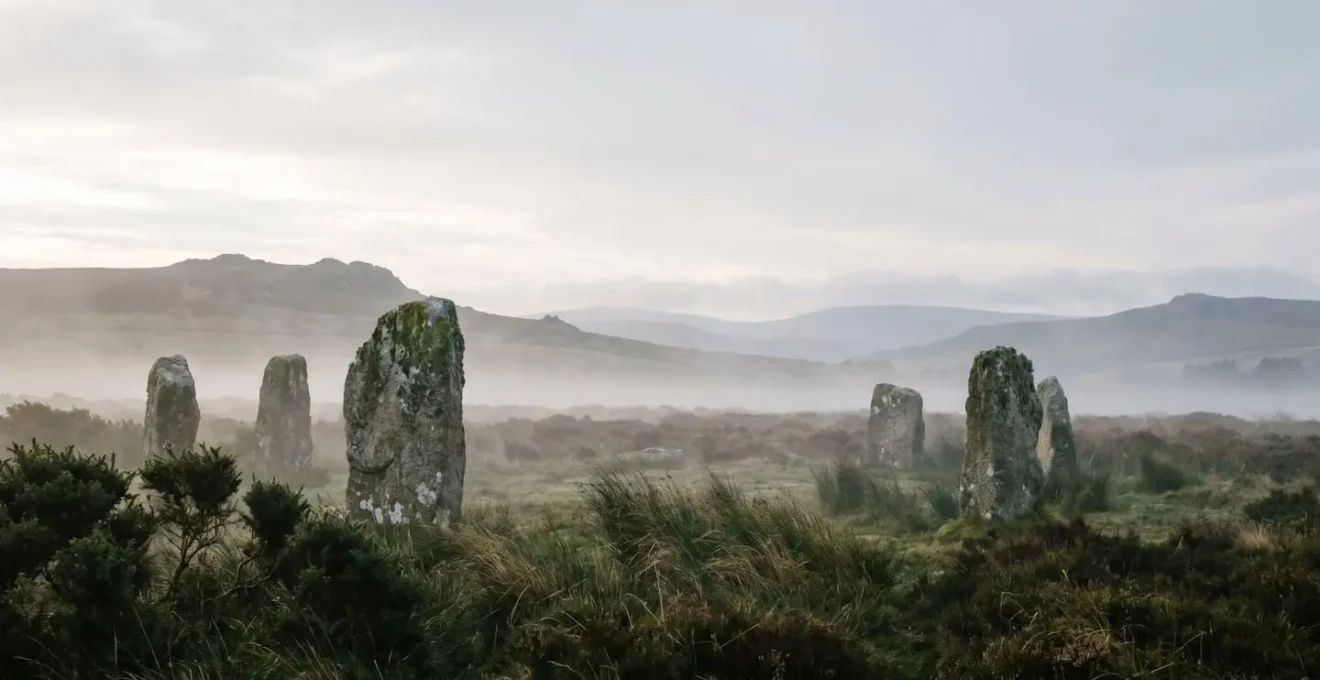
As this image suggests, history is etched into the very stones and soil. An authentic food experience draws from this heritage. Before booking, investigate the venue’s approach. Do they talk about the history of their food? Do they connect their menu to the estate’s past? Finding a venue that takes this seriously is key to an unforgettable experience. The following table provides a starting point for assessing some of England’s most popular venues.
This comparative table can help you curate the right experience for your family, weighing spectacle against historical rigour.
| Venue | Historic Authenticity | Food Approach | Immersion Features |
|---|---|---|---|
| Warwick Castle | State Dining Room in historic walls | Traditional feast | Period costumes, live music, medieval entertainment |
| Lumley Castle | Baron’s Hall with original architecture | Four-course meal | Candlelight, magnificent medieval hall atmosphere |
| Coombe Abbey | Historic Abbeygate venue | Set menu with pottage, medieval-inspired dishes | Full stage show, mead cocktail arrival, reenactment of 1539 dissolution |
| The Priests House, Barden | Intimate historic building | £85 per person, historically-inspired menu | Flaming lanterns, period music, log fires, period costume staff, mulled wine in goblets |
Ghost Walks vs History Tours: How to Separate Fact from Victorian Fiction?
Ghost walks are a popular, and potentially brilliant, way to engage teenagers with the darker side of history. However, the market is saturated with tours that prioritize cheap jump-scares and fabricated tales over genuine folklore and history. As a curator of your family’s experience, your task is to find the tours that use ghost stories not for theatrical frights, but as a gateway to understanding a location’s past beliefs, social history, and the emotional residue left behind in its architecture and landscapes.
The key difference lies in the tour’s foundation: is it based on entertainment or evidence? Theatrical tours often rely on actors in costumes, staged events, and stories embellished or invented for dramatic effect. While potentially fun, they teach very little. In contrast, a research-led history tour uses ghostly folklore as a primary source. It asks: Why did this story emerge here? What does it tell us about the people who lived and died in this place? What were their fears and beliefs? This approach transforms a ghost story from a simple spook tale into a valuable piece of social data.
A great example of this evidence-based model is seen in research-led experiences that focus on real historic locations. The aim is to uncover stories of belief and power without resorting to theatrics. This model proves that authentic atmospheric storytelling, grounded in a specific place and its documented past, provides a far more meaningful engagement. Participants are invited to experience the ’emotional residue’ of a location through its real history, which is often more chilling and thought-provoking than any manufactured scare. It encourages critical thinking in teenagers, asking them to separate the historical event from the folkloric embellishment that grew around it.
When choosing a tour, look for guides who are historians or folklorists, not just performers. Check their websites for mentions of research, sources, or a focus on “belief” and “social history” rather than just “ghosts” and “hauntings.” A good tour will leave your family debating the stories and their origins long after it’s over, sparking a genuine interest in the complexities of the past. It’s about finding the mystery in history itself, not inventing it.
Storytelling Festivals: Where to Hear the Last Keepers of Oral Tradition?
In our hyper-visual, screen-saturated world, the simple act of listening to a story told live can be a revolutionary experience, especially for teenagers. Storytelling is the oldest form of human entertainment and education, and the UK is home to a vibrant resurgence of this art form. Attending a storytelling festival is one ofthe most direct ways to connect with British folklore, stripping it back to its original medium: the spoken word, passed from one person to another.
These festivals are not about reading from a book. They are about witnessing a performance where the storyteller is a conduit for ancient tales, using only their voice, gestures, and the audience’s imagination. It’s an intimate and powerful experience. The slight variations in each telling, the direct eye contact, and the shared atmosphere of a rapt audience create a connection that a screen can never replicate. For a family, it’s a chance to share a fundamental human experience together, unplugged from modern distractions. It demonstrates to a teenager that a compelling narrative doesn’t require CGI or special effects.
Far from being a dying art, this tradition is thriving. For example, the Scottish International Storytelling Festival, considered the world’s largest celebration of storytelling, has grown exponentially. An analysis of their attendance figures shows that from a modest start, the festival drew nearly 40,000 attendees in 2022. This incredible growth proves there is a deep and growing hunger for authentic, shared cultural experiences.
The power lies in the human connection, as captured in this image. It’s in the hands that shape the air, the voice that drops to a whisper, and the collective holding of breath in a fire-lit room. Festivals across the UK, from the ‘Festival at the Edge’ in Shropshire to smaller gatherings in Wales and Cornwall, offer a chance to hear these stories in the landscapes that birthed them, told by the keepers of these oral traditions. It’s an opportunity to hear the cadence and rhythm of local dialects and to support the artists keeping this vital cultural heritage alive.
Castle Hotels: How to Choose One That Isn’t Just a Modern Hotel in a Shell?
Staying in a castle is a bucket-list item, but the dream can quickly deflate if your “historic room” feels like a standard hotel room that just happens to be inside old walls. The true magic of sleeping in a castle is the feeling of being a temporary custodian of a piece of history, of having privileged access after the daytime tourists have gone home. To achieve this, you must become a discerning investigator, armed with the right questions to see past the marketing and find a truly immersive stay.
Many “castle hotels” are, in reality, modern annexes or heavily renovated wings with little of the original character intact. While comfortable, they offer no more historical connection than a postcard on the wall. The goal is to find a property that has preserved its original features and allows guests to engage with them. This means looking for rooms within the original keep or a historically significant part of the building, where you might find an original arrow slit, uneven stone floors, or the deep-set windows of a medieval structure. It’s these tactile connections to the past that make the experience memorable for everyone, including a cynical teenager who can’t help but be impressed by sleeping in a real fortress.
The difference between a “hotel in a shell” and a genuine historic stay often comes down to the staff’s attitude towards the building’s heritage. A truly passionate establishment will have a resident historian or offer private architectural tours. They will encourage you to explore and will have stories that go beyond the official brochure. Your role as a curator is to identify these places. Before you book, use a targeted set of questions to vet the property. This turns the planning process itself into an act of historical investigation.
Your Castle Detective’s Checklist: Vetting a Historic Hotel
- Is my room located in the original medieval keep or a later addition? Can you specify the construction century?
- What are the quietest hours to explore the grounds and historic rooms alone without other guests?
- Can you tell me a story about this castle that isn’t in the official brochure or marketing materials?
- Are there any original architectural features in the sleeping quarters (arrow slits, stone walls, worn steps)?
- What period-appropriate activities or experiences can be arranged (e.g., falconry, historical dining, archery)?
- Can I access restricted or typically closed historical areas during my stay?
- Do you have a resident historian or can you arrange a private architectural tour focused on defensive features?
Travel Journaling: Why Writing Daily Changes Your Memory of the Trip?
If your expedition is an act of sensory detection, then a travel journal is your case file. But we’re not talking about a simple “Dear Diary” log of what you did. To make journaling a powerful tool for immersion, especially for a visual and digitally-native teenager, you must reinvent it. The goal is to create a ‘Sensory Log’—a deliberate practice of capturing the non-visual details that are the first to fade from memory but are the very essence of an immersive experience.
Standard memory-keeping is overwhelmingly visual; we take photos and videos of what we see. But what about the sound of the wind through a specific ancient ruin, the smell of damp earth in a stone circle, or the texture of a worn-down castle step? These are the details that truly transport us back to a moment. Writing them down does something crucial: it forces the brain to pay attention to them in the first place. The act of trying to find the right words to describe a specific smell or sound hardwires that memory in a way a quick photo never can. This is active, conscious observation.
For a teenager, this can be framed as a creative or scientific challenge. Instead of “write about your day,” the prompt becomes “capture the soundscape of this place” or “document three smells you noticed today.” This transforms a chore into a mission. It also provides a valuable outlet for a teen who might be more introverted, allowing them to process the experience on their own terms. The result is a far richer, more personal record of the trip than a camera roll full of selfies.
A highly effective method is to structure the journal with dedicated daily sections for each sense. This provides a clear framework and turns the act of journaling into a game of collection. Here’s a practical method to implement:
- Sounds of the Day: Record 5+ distinct auditory experiences (e.g., specific birdsong, the echo in a church, the chatter in a pub).
- Smells of the Place: Document 3+ olfactory memories and any feelings they evoked (e.g., woodsmoke, sea salt, old books).
- Textures Encountered: Describe 4+ tactile sensations (e.g., rough stone, smooth wood, cold metal, damp moss).
- Visual Snapshots: Write 2-3 detailed visual memories, focusing specifically on the quality of light and color.
- Taste Chronicles: Note flavors and their context, connecting them to the landscape or a story you heard.
Encourage writing in the present tense (“The cold shock of the stone is surprising”) to make the entries more immediate and visceral. Adding hand-drawn maps annotated with these sensory notes can create a beautiful, unique artifact of your family’s adventure.
Key Takeaways
- Move beyond being a passive tourist; become an active ‘expedition curator’ for your family.
- Engage all five senses: true immersion is found in the sounds, smells, and textures that history leaves behind.
- Frame the adventure as a detective mission to captivate teenagers and encourage critical thinking.
Narrative Menus: How to Design a Meal That Tells a Biography?
Food is never just fuel; it’s culture, it’s story, it’s landscape. One of the most creative and deeply immersive ways to connect with folklore is to design a meal—or a series of meals—that tells a story. This concept of a ‘narrative menu’ can transform a simple picnic or a hotel dinner into a climactic chapter of your expedition. It’s a powerful tool for engaging teenagers, as it connects the abstract world of myth to the concrete, enjoyable experience of eating.
The core idea is to map the structure of a story onto the structure of a meal. This could be the biography of a historical figure, the plot of a local legend, or a classic mythological structure like the Hero’s Journey. Each course represents a stage in the narrative, using ingredients and preparation methods that reflect that stage. For instance, a “Call to Adventure” could be simple, foraged berries eaten at the start of a hike, while “The Return” could be a celebratory feast with roasted meat and bread, shared after a long day’s exploration.
This approach is deeply rooted in the concept of ‘Narrative Terroir.’ As research into medieval food systems shows, there is a direct line from the regional geology and agriculture to the folklore of the people living there. For example, chalky hills support sheep, leading to lamb dishes and shepherd-centric myths. By curating a meal with ingredients from a specific mythological landscape, you are literally tasting the story’s origins. It’s a profound way to understand that folklore isn’t just a fantasy; it grows out of the very soil of a place.
You don’t need a professional chef to do this. A simple, well-thought-out picnic can be just as powerful. Research the local legend of the area you’re visiting. What did the characters eat? What grows there? Packing a lunch of local cheese, heritage apples, and traditional bread to be eaten at the story’s key location can be a profoundly moving experience. The following table offers a conceptual framework for structuring a meal around the classic Hero’s Journey myth, which can be adapted for any local story.
| Journey Stage | Meal Concept | Food Approach | Setting/Ritual |
|---|---|---|---|
| The Call to Adventure | Simple foraged breakfast | Wild berries, foraged herbs, simple bread | Eaten outdoors at dawn near expedition starting point |
| Threshold Crossing | Traveling rations | Heritage cheese, dried meats, bannock | Eaten standing or walking, minimal preparation |
| The Ordeal | Sparse sustenance meal | Pottage, single-pot stew with local ingredients | Eaten in challenging location (hilltop, ruins), contemplative silence |
| The Revelation | Symbolic centerpiece dish | Honey-sweetened bread, mead, seasonal fruit | Shared at significant mythological site, ritualized serving |
| The Return | Celebratory feast | Roasted meat, multiple courses, wine | Communal setting, storytelling accompaniment, gratitude ritual |
How to Engage with Indigenous Cultures and Minority Languages in the UK?
Engaging with the folklore of Britain inevitably means encountering its indigenous cultures and minority languages: Welsh, Cornish, and Scottish Gaelic. For a visiting family, this can be intimidating. How do you engage respectfully without being intrusive or appropriative? One of the most powerful and non-invasive methods is to learn to read the linguistic landscape itself, using the study of place names (toponymy) as your guide.
Every “Llan-“, “Aber-“, “Tre-“, or “Inver-” on a map tells a story. These are not just random syllables; they are ancient words describing the landscape, its use, and its sacred geography. Learning a handful of these common elements is like being given a secret decoder ring for the entire country. It transforms your family from passive drivers into active landscape detectives. A teenager who can look at a map and say, “‘Cwm’ means valley, so this road is going to drop steeply,” has gained a practical, satisfying skill that connects them directly to an ancient language.
This linguistic landscape approach is an act of deep respect. It requires no interaction unless you choose it, yet it honours the culture by paying attention to it. When you do interact with locals, attempting to pronounce a place name correctly shows effort and opens doors to deeper conversations. It shifts the dynamic from a tourist asking for directions to a curious visitor showing genuine interest in their heritage. As experts in cultural tourism note, this approach builds bridges:
England and Wales are rich in legend, folklore and lived history, offering the perfect ground for storytelling.
– Wilderness England, Culture & Heritage Tours description
Here are some basic elements to start your toponymy detective work:
- Welsh: ‘Llan’ (church/enclosure), ‘Afon’ (river), ‘Pen’ (head/top), ‘Cwm’ (valley). Understanding that ‘Llanfair’ is ‘Church of Mary’ reveals the Christian history layered over older sites.
- Cornish: ‘Pol’ (pool), ‘Tre’ (homestead), ‘Pen’ (headland), ‘Nans’ (valley).
- Gaelic: ‘Inver’ (river mouth), ‘Ben’ (mountain), ‘Glen’ (valley), ‘Loch’ (lake).
Before your trip, spend an evening with your family and a good map. See who can decode the most names. This simple game is a perfect way to begin your expedition long before you even leave the house.
Now that you have the tools to see beyond the surface, to hear the stories in the wind, and to taste the history in the soil, the final step is to begin. Start by choosing a single legend or a specific region that sparks your family’s curiosity, and build your expedition from there. Your role is not to be an expert on everything, but to be the chief curator of your family’s curiosity. Begin planning your immersive journey today and watch the past come alive.